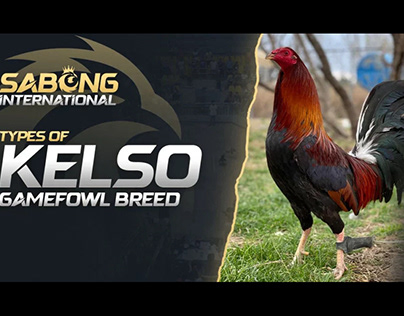
I’ve been asked more than once what sabong actually is, why it still exists, and why people outside Southeast Asia keep stumbling across sites like sabong international without any context. So I’m putting everything in one place. No hype. No sales pitch. Just a clear, grounded explanation from someone who’s spent time researching the topic and talking to people on both sides of the argument.
Thank you for reading this post, don't forget to subscribe!This isn’t a “how-to.” It’s an honest look at the practice, the culture behind it, the legal gray areas, and why it keeps showing up online.
What sabong actually is (and isn’t)
Sabong is organized cockfighting. Two roosters are matched, trained, and placed in a pit. In many places, betting happens alongside the fight. That’s the basic definition, and I’m not going to dress it up.
What sabong is:
- A traditional practice with deep roots in parts of Southeast Asia
- A social event in some communities, not just a private activity
- Heavily regulated in a few regions and outright banned in many others
What sabong is not:
- A modern invention
- A universal or globally accepted sport
- Legal everywhere just because it exists online
A lot of confusion comes from people assuming that if something has “international” in the name, it’s automatically legal or standardized worldwide. That’s not how this works.
Where sabong comes from and why it stuck around
Sabong didn’t start as a betting product. Long before websites existed, it was tied to:
- Local rituals
- Social status
- Breeding knowledge passed down through families
In rural areas of the Philippines, for example, breeders took pride in bloodlines the same way horse breeders do elsewhere. The fights were public events. Everyone knew who raised which bird.
That history matters because it explains why sabong didn’t disappear when laws changed. Practices tied to identity don’t vanish overnight. They adapt, sometimes in ways that cause friction with modern rules.
How “sabong international” fits into the picture
When people search for sabong online today, they often land on platforms branded as international. The term usually means:
- Fights streamed or referenced online
- Audiences outside the local pit
- Cross-border interest, not universal legality
Here’s the key thing people miss:
“International” does not mean “legal in every country.”
That label mostly reflects reach, not permission.
Online presence vs physical reality
| Aspect | Traditional Sabong | Online / International Platforms |
|---|---|---|
| Location | Physical pit | Digital access |
| Regulation | Local laws | Mixed or unclear |
| Audience | Community-based | Global viewers |
| Cultural context | Strong | Often missing |
Once sabong moved online, it lost the context that once explained it. That’s why reactions are stronger now. People see the result, not the background.
Legal status: why answers are always messy
If you’re looking for a single yes-or-no answer about legality, you won’t get one.
Sabong laws depend on:
- Country
- Region within that country
- Whether betting is involved
- Whether the event is physical or streamed
General legal patterns (not legal advice)
| Region | Typical Status |
|---|---|
| Philippines | Legal in regulated settings |
| Most of Europe | Banned |
| United States | Illegal in all states |
| Some parts of Asia | Mixed or unclear |
| Online access | Often unregulated |
That last row is where problems start. Online access moves faster than lawmaking. Governments struggle to keep up, and users assume availability equals approval. It doesn’t.
The ethical argument (both sides, plainly stated)
I’m not here to dodge this part. Sabong raises real ethical concerns, and pretending otherwise is dishonest.
Arguments supporters make
- It’s a cultural tradition, not a random act
- Birds are bred specifically for this purpose
- Regulation reduces harm compared to underground fights
Arguments critics make
- Animals are harmed for entertainment
- Tradition doesn’t excuse suffering
- Online exposure increases abuse risk
Both sides exist for a reason. Dismissing either one weakens the conversation. What I don’t respect is pretending the issue is simple. It isn’t.
Why sabong keeps going despite bans
People often ask why sabong hasn’t disappeared if so many places ban it. Three reasons explain most of it:
- Cultural attachment
Practices tied to identity don’t vanish because of paperwork. - Economic pressure
Breeding, training, and events support livelihoods in some regions. - Digital migration
When physical spaces close, activities move online, for better or worse.
None of these justify harm. They explain persistence.
Common myths I keep seeing online
“It’s legal everywhere if it’s online”
False. Online access doesn’t override local law.
“Sabong is the same as any sport”
No. Sports don’t involve animals fighting to injury.
“All sabong sites operate the same way”
Not even close. Structures, rules, and oversight vary widely.
“Banning it solves the problem”
History shows bans often push activities underground instead of ending them.
How regulation changes outcomes
Regulation doesn’t magically fix ethical concerns, but it does change conditions.
| Without Regulation | With Regulation |
|---|---|
| Underground pits | Licensed venues |
| No oversight | Veterinary checks |
| Higher injury risk | Some safety limits |
| Criminal control | Government monitoring |
This doesn’t make sabong harmless. It explains why some governments choose control over prohibition.
What people should think about before engaging
I’m not telling anyone what to do. I am saying people should slow down and think.
Ask yourself:
- Is this legal where I live?
- Do I understand the cultural background, or am I judging a clip?
- Am I okay supporting something that involves animal harm?
- Do I trust the platform I’m seeing?
If you can’t answer those honestly, you shouldn’t pretend you’re informed.
Frequently asked questions
Is sabong the same as illegal cockfighting everywhere?
No. In some places, regulated sabong exists legally. In others, all forms are banned. Context matters.
Why do people outside Asia even encounter sabong now?
Because streaming and global sites removed geographic limits. Exposure doesn’t equal endorsement.
Does “international” mean government approved?
No. It usually refers to audience reach, not legal status.
Can sabong disappear completely?
Unlikely in the short term. Practices tied to culture tend to change form before they vanish.
Final thoughts and straight advice
If you’re curious about sabong, learn before reacting. If you’re uncomfortable with it, say that plainly without pretending it’s a simple issue. And if you run into platforms like sabong international, don’t assume they represent the full story or have universal approval.
My advice is simple:
- Don’t confuse access with legality
- Don’t strip cultural practices of context
- Don’t ignore ethical concerns just because something is traditional
Now I’m curious about you.
When you first heard about sabong, what was your reaction—and did learning more change your view at all?