For many UK homeowners, the conservatory is one of the most-loved rooms in the house—yet one of the most problematic. Too cold in winter, too hot in summer, and often expensive to heat, traditional conservatory roofs have long struggled to offer the insulation modern families expect.
Thank you for reading this post, don't forget to subscribe!As we move into 2026, more homeowners are discovering that a new, energy-efficient conservatory roof is one of the smartest home improvements they can make. Whether you want to reduce your energy bills, create a comfortable year-round living space, or boost the value of your home, upgrading your roof can deliver impressive results.
Why Traditional Conservatory Roofs Struggle with Efficiency
Older conservatories typically use polycarbonate or basic single-glazed glass roofing. While these materials were once popular, they offer poor thermal performance due to:
- Thin insulation
- High heat loss during winter
- Excessive solar heat gain in summer
- Condensation build-up
- Weak acoustic insulation
This leaves many conservatories feeling more like a greenhouse than a usable living space.
How a New Conservatory Roof Improves Energy Efficiency
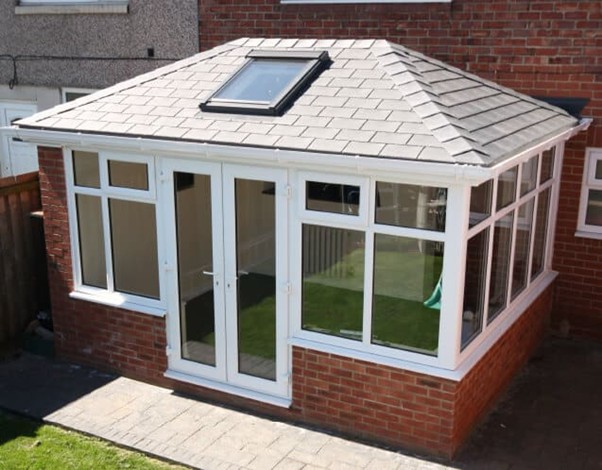
Modern conservatory roofs are designed using advanced materials and layered insulation systems that dramatically improve the thermal performance of your home.
- Superior Insulation That Reduces Heat Loss
A new conservatory roof—especially a solid tiled roof or lightweight insulated system—includes high-performance materials such as:
- Multi-foil insulation
- Rigid thermal boards
- Vapour control layers
- Lightweight structural panels
These materials work together to retain heat much more effectively than older polycarbonate sheets.
Result:
Your conservatory stays warm in winter without relying on electric heaters or radiators.
- Dramatically Cooler in Summer
Energy efficiency isn’t just about keeping heat in—it’s also about stopping excess heat from entering.
New roofs use solar-reflective materials that:
- Block harsh summer heat
- Reduce glare
- Prevent the room from becoming stuffy
- Make your cooling appliances work far less
This transforms your conservatory into a genuinely comfortable space during the warmest months.
- Lower Heating Bills All Year Round
With insulated conservatory ceilings, you naturally rely less on heating and cooling appliances. Homeowners commonly report:
- Reduced winter heating costs
- Less need for fans or portable air-conditioning
- Warmer adjoining rooms due to reduced heat escape
As energy prices continue to fluctuate in 2026, this is a long-term saving that adds real value.
- Reduced Environmental Impact
An energy-efficient conservatory roof is also an environmentally responsible upgrade. By cutting unnecessary energy consumption, you reduce the carbon footprint of your home.
It’s a simple improvement that aligns with the UK’s continued push for greener, more sustainable living.
- Better Acoustic Performance
Although not directly related to energy efficiency, new conservatory roofs also improve sound insulation—especially from:
- Rain
- Wind
- External noise
This creates a calmer, more peaceful living environment.
A Year-Round Room You’ll Actually Use
Perhaps the greatest benefit of all is usability. With a modern insulated roof, your conservatory effectively becomes an extension of your home, suitable for:
- Dining
- Relaxing
- Home working
- Playrooms
- Home gyms
- TV rooms
This means more space, more comfort, and better value from the home you already have.
Will a New Roof Add Value to Your Home?
Yes. Many estate agents agree that upgrading to a solid or insulated conservatory roof can:
- Increase overall property value
- Improve energy performance ratings
- Make the home more attractive to buyers
- Turn a previously seasonal room into a functional living area
For many homeowners, the investment pays for itself.
Final Thoughts
In 2026, upgrading to a new conservatory roof is one of the most effective ways to improve your home’s energy efficiency, comfort, and long-term value. With rising energy costs and increasing demand for sustainable living, there has never been a better time to transform your conservatory into a warm, cosy, and efficient space you can enjoy all year round.