Introduction
Thank you for reading this post, don't forget to subscribe!The legislated veil has become a highly charged symbol and subject of debate across the globe, intersecting issues of religious freedom, women’s rights, and state authority. The regulation of the veil, particularly in the context of Islamic practices such as the wearing of the hijab, niqab, and burqa, touches on complex socio-political and cultural narratives that vary significantly depending on the country and its approach to secularism, religion, and gender equality. This article explores the dynamics of veil legislation, examining the various laws, the motivations behind them, and their societal impacts.
Understanding the Legislated Veil
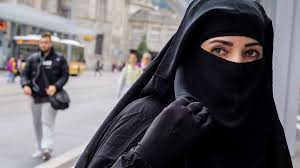
The veil can take many forms, from the headscarf (hijab) to the full-body covering (burqa or niqab). For millions of Muslim women, the veil is a religious duty, a form of modesty rooted in Islamic teachings. For others, it is a cultural tradition or a personal choice symbolizing identity and empowerment. However, in many parts of the world, the veil has also been the focus of state intervention through legislation, either mandating or prohibiting its use in public spaces.
Mandatory Veiling
In countries such as Iran and Saudi Arabia, wearing the veil is enforced by law, with women required to cover their hair and dress modestly in public. These laws are often based on interpretations of Sharia law and reflect the government’s desire to uphold religious values. Non-compliance with these rules can result in fines, arrests, or other forms of punishment.
In Iran, for example, the 1979 Islamic Revolution led to the institutionalization of the hijab as a legal requirement for women in public. This law has been met with resistance by some women, sparking debates about individual freedoms and the state’s role in enforcing religious dress codes. In contrast, other women embrace the hijab as an integral part of their faith and identity, finding empowerment in its religious symbolism.
Veil Bans
On the opposite side of the spectrum, some countries have implemented veil bans in an effort to promote secularism or integrate immigrant populations. France is one of the most prominent examples, where a ban on full-face coverings, including the niqab and burqa, was enacted in 2010. The law prohibits the wearing of full-face veils in public spaces, with the rationale that such coverings hinder communication and contradict the nation’s secular principles.
France’s approach stems from its secularist tradition, known as laïcité, which seeks to keep religion and state affairs separate. French lawmakers argue that face-covering veils prevent women from fully participating in public life and are at odds with gender equality. However, critics argue that such bans target Muslim women specifically and infringe on their freedom of religious expression.
Other countries, including Belgium, Austria, Denmark, and Switzerland, have followed suit with similar legislation, often citing security concerns, social cohesion, and women’s rights as justifications for the bans. These laws have sparked widespread controversy, with some viewing them as necessary for integration, while others see them as discriminatory.
Key Countries with Legislated Veil Laws
France: Secularism vs. Religious Expression
France has one of the most extensive laws regarding the wearing of religious symbols in public. In 2004, France passed a law prohibiting religious symbols, including the hijab, from being worn in public schools. This was followed by the 2010 ban on face-covering veils, which applies to all public spaces, including streets, shops, and public transportation.
The justification for the ban was largely rooted in the country’s commitment to secularism and security, with proponents arguing that face coverings isolate women and pose potential security risks by concealing identities. However, the law has been widely criticized for targeting Muslim women and fueling Islamophobia. Many women have argued that the law infringes on their personal freedom and right to religious expression.
Iran: Compulsory Veiling and Religious Conservatism
In Iran, the veil is mandated by law as part of the Islamic dress code for women. Since the Islamic Revolution of 1979, all women, including non-Muslims and tourists, are required to cover their hair and dress modestly in public. The morality police enforce these laws, and violations can lead to punishment, including fines or imprisonment.
In recent years, there has been growing resistance to compulsory veiling in Iran, with some women participating in protests such as “White Wednesdays,” where they remove their veils in defiance of the law. These movements have been met with strong government crackdowns, highlighting the tension between state-enforced religious norms and individual autonomy.
Saudi Arabia: Veiling as a Symbol of Religious Identity
Saudi Arabia has historically enforced strict dress codes for women, requiring them to wear the abaya (a long cloak) and veil in public. Until recently, the enforcement of this dress code was absolute, with religious police (mutawa) ensuring compliance. However, under Crown Prince Mohammed bin Salman’s reforms, enforcement of the dress code has been relaxed, with women now allowed more freedom in their choice of attire.
Despite these reforms, the veil remains a potent symbol of Saudi religious identity and conservatism, and many women continue to wear it out of personal belief or social pressure. The loosening of veil regulations reflects broader changes in Saudi society but also sparks ongoing debates about gender roles and religious conservatism.
Turkey: The Battle Over Secularism and Veiling
Turkey presents a unique case where the struggle over the veil has mirrored the country’s broader political and cultural battles between secularism and Islamism. For decades, Turkey enforced a ban on the veil in government buildings and public institutions, including universities, as part of its secularist policies. However, under the leadership of the Justice and Development Party (AKP), these restrictions have been gradually lifted.
In 2013, Turkey overturned the ban on headscarves in public institutions, signaling a shift towards greater religious freedom under the current government. This move has been controversial, with secularists arguing that it undermines Turkey’s secular identity, while supporters see it as a restoration of religious rights.
The Debate: Freedom of Expression vs. State Authority
The debate over the legislated veil is often framed as a clash between individual freedoms and state interests. Those in favor of veil bans argue that such laws are necessary to uphold national values, protect women’s rights, and ensure social cohesion. They claim that full-face veils, in particular, hinder women’s participation in public life and can pose security threats.
Opponents of veil legislation, however, argue that these laws are discriminatory and violate basic human rights, including the right to freedom of religion and freedom of expression. Many Muslim women assert that wearing the veil is a deeply personal decision tied to their faith, and that banning it strips them of their agency.
Women’s Rights and the Veil
One of the central issues in the veil debate is women’s rights. Proponents of veil bans often argue that the veil is a symbol of women’s oppression and that prohibiting it is a step towards gender equality. However, many Muslim women contest this narrative, arguing that the veil is a form of empowerment and a means of expressing their identity and autonomy. They see the bans as an imposition on their choices rather than a liberation.
Conclusion
The legislated veil represents a complex intersection of religion, politics, gender, and cultural identity. While some nations enforce the veil as part of religious law, others have imposed bans as a means of promoting secularism and integration. The debate over the veil raises fundamental questions about individual freedom, state authority, and the role of religion in public life.